Mentorship
SUBTOPIC
Relation to Parent Topic
Through out the trials and tribulations of working in corporate workspaces, ASD individuals can benefit greatly from finding a Mentor to help them navigate the social life, unspoken rules, and office politics found in the corporate world. Mentors can come in many shapes and sizes, but essentially break down to being a trustworthy person, within a relevant field, who can be referred to for advice and guidance about one's own particular career path. For ASD individuals mentors are even more valuable, as they can give feedback and advice without having to first filter through corporate lingo, and can explain even unspoken rules of any office space or career path that would be less immediately obvious. Mentorship can play a crucial role in career development for autistic individuals, providing guidance, support, and networking opportunities that are essential for navigating corporate environments and advancing their careers.
Key Challenges
- Difficulty in establishing and maintaining mentor-mentee relationships due to communication barriers.
- Struggles with social cues that may hinder the ability to seek help or advice from mentors.
- Potential for misinterpretation of feedback or advice due to differences in processing information.
- Limited access to mentorship programs that are inclusive and understanding of autism-related needs.
Strategies
- Seek mentors who have experience working with neurodiverse individuals or who have training in autism awareness.
- Utilize structured communication methods such as emails or scheduled meetings to discuss goals and progress.
- Prepare specific questions or topics to discuss with mentors to facilitate clearer and more productive conversations.
- Engage in mentorship programs that offer tailored support for autistic individuals, ensuring a comfortable and understanding environment.
Examples
- An autistic individual partnered with a mentor in a tech company who provided guidance on navigating office politics and understanding team dynamics.
- A mentorship program that pairs autistic students with industry professionals, offering internships and real-world exposure to corporate environments.
- A mentor who uses visual aids and written summaries to help their mentee comprehend complex concepts discussed during meetings.
Action Steps
- Identify potential mentors within your organization or industry who demonstrate openness and understanding of autism.
- Reach out to these individuals via formal channels, expressing your interest in mentorship and outlining your goals.
- Schedule regular check-ins to discuss progress, challenges, and insights, ensuring each session has a specific agenda.
- Request feedback on both performance and interpersonal skills, and practice active listening to clarify any points that may be confusing.
- Evaluate the mentorship relationship periodically to ensure it remains beneficial and adjust goals as necessary.
Resources
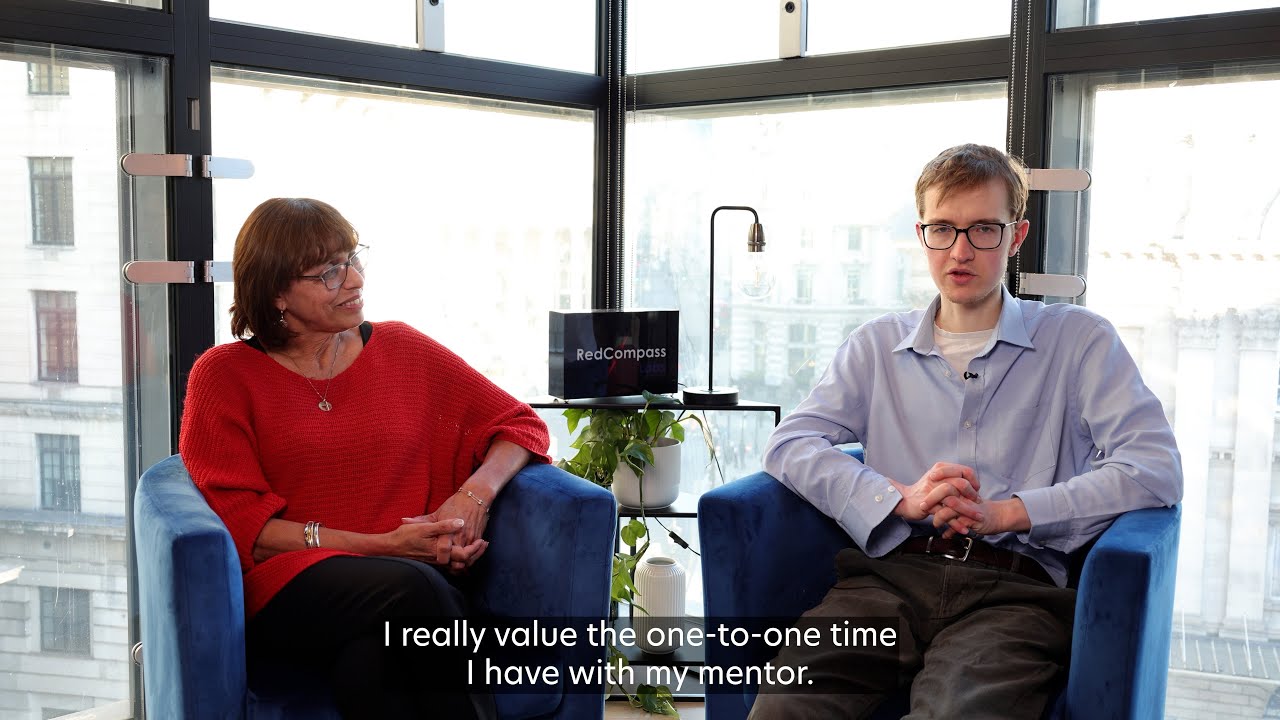
The Impact of Mentorship on Autistic Professionals
This video illustrates how mentorship can support autistic individuals in the workplace, enhancing their professional development and workplace accommodations.
https://www.youtube.com/watch?v=7RStMAoHoAY&ab_channel=NationalAutisticSociety

Steven's Journey: Mentoring Support for Autistic Students
This video highlights how mentoring at De Montfort University empowered Steven, a Fine Art master's student with Asperger syndrome, to thrive academically and personally.
https://www.youtube.com/watch?v=AoToCQCO158&ab_channel=DeMontfortUniversity

The Role of Mentorship for Autistic Professionals
Professor Tony Attwood discusses how mentorship can empower autistic individuals, enhancing their professional growth and workplace success.
https://www.youtube.com/watch?v=kkFJpReOEtA&ab_channel=AIMSGlobal

Benefits of Peer Mentoring for Autistic Professionals
This video highlights how peer mentoring can support autistic workers and students in their professional journeys, fostering growth and confidence.
https://www.youtube.com/watch?v=0zXUscCxuRc&ab_channel=CliniKids