Asking and Answering Questions
SUBTOPIC
Relation to Parent Topic
Asking and answering questions is a crucial and inevitable aspect of working in a corporate environment that can be particularly intimidating to ASD individuals. Due to the literal ways of interpreting language typical to individuals on the spectrum and need for additional cognitive processing time, even simple questions such as "how are you feeling" can cause distress as the question can not be answered with a simple "yes" or "no". Additionally, asking questions can be just as difficult as answering them for ASD individuals, as past experiences asking too many questions upset their neurotypical coworkers, leading to ASD individuals avoiding asking questions in the future to avoid setting off their peers.
Key Challenges
- Difficulty interpreting the intent behind questions, leading to misunderstandings.
- Struggles with formulating responses quickly, which can result in missed opportunities during discussions.
- Anxiety or discomfort in social interactions, making it hard to ask questions or engage in conversations.
- Challenges in recognizing social cues that indicate when it is appropriate to ask questions or respond.
Strategies
- Practice active listening to fully understand the question before responding.
- Use role-playing scenarios to simulate asking and answering questions in a safe environment.
- Create a list of common questions and appropriate responses relevant to the corporate context for practice.
- Implement visual aids or cue cards that outline question-asking techniques and response frameworks.
- Rehearse conversations in the mirror to practice matching facial expressions with dialogue.
Examples
- During a team meeting, an autistic individual might prepare a list of questions beforehand to ensure they can participate actively.
- In a job interview, an autistic candidate could use a prepared set of questions to ask the interviewer about the company culture, showcasing their interest.
- An employee may use a structured approach to respond to client inquiries, referring to key points outlined in a document to ensure clarity and confidence.
Action Steps
- Identify specific areas or topics within the corporate environment where asking questions is essential.
- Develop a set of frequently asked questions (FAQs) related to those topics and practice answering them.
- Engage in mock conversations with a trusted colleague or mentor to build confidence in asking and answering questions.
- Set a goal to ask at least one question in each meeting to gradually increase participation and comfort levels.
Resources

Effective Questions for Engaging Meetings
Explore over 50 questions designed to enhance engagement, solicit feedback, and assess workload during meetings. Ideal for autistic professionals seeking structured communication strategies to improve meeting outcomes.
https://www.niagarainstitute.com/blog/questions-to-ask-in-a-meeting
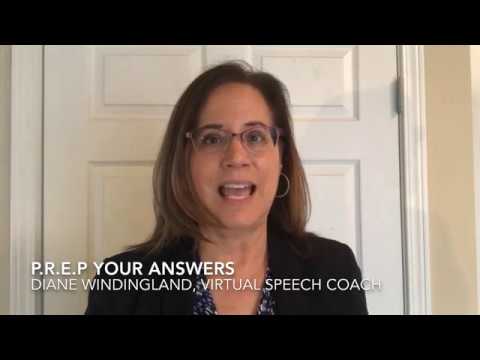
Mastering the P.R.E.P. Method for Clear Responses
This YouTube video introduces the P.R.E.P. method, a structured approach to answering questions effectively in workplace settings. Ideal for autistic professionals who may struggle with verbal communication, this method helps in organizing thoughts and delivering concise, clear responses during interviews or meetings.
https://www.youtube.com/watch?v=FcJtMZ-gcm0