Coping with Stress and Overwhelm
SUBTOPIC
Relation to Parent Topic
Spending extended periods of time in the workplace, away from their normal coping mechanisms and safety nets, can be very difficult for individuals with ASD. Coping with these stressful and overwhelming feelings is crucial for autistic individuals, as these feelings can exacerbate difficulties in communication, social interactions, and task completion within corporate environments. Thankfully by forming new self-safety mechanisms, habits, and coping strategies within the workspace, much of this stress can be mitigated and reduced.
Key Challenges
- Difficulty in managing sensory overload from the corporate environment, such as noise, bright lights, or crowded spaces.
- Struggles with time management and prioritizing tasks, leading to feelings of being overwhelmed.
- Challenges in social interactions that can lead to misunderstandings and increased stress.
- Developing self care and coping techniques for after meltdowns to continue work.
- Mitigating or minimizing meltdowns to avoid embarrassment and burnout.
- Anxiety related to changes in routine or unexpected demands in the workplace.
Strategies
- Implementing sensory breaks to step away from overwhelming environments and recharge.
- Using visual schedules, priority lists or task management tools to better organize tasks and time.
- Practicing mindfulness techniques, such as deep breathing or meditation, to manage anxiety.
- Establishing a support network within the workplace for regular check-ins and emotional support.
- Asking a supervisor or manager for a more consistent schedule to reduce time stressors
Examples
- An autistic employee uses noise-canceling headphones during peak hours to reduce sensory overload.
- A team member creates a visual priority list for their tasks, helping them focus on what needs to be done first and alleviating feelings of being overwhelmed.
- A colleague engages in a brief mindfulness exercise before meetings to calm nerves and improve focus.
- Autistic employee wears a protective helmet to prevent injury while working on stressful projects.
- An employee schedules regular one-on-one meetings with their manager to discuss workload and any arising stressors.
Action Steps
- Identify specific triggers in the workplace that lead to stress and discuss these with a supervisor to find solutions.
- Set aside time daily for sensory breaks, whether it's a walk outside, a quiet room, or a favorite calming activity.
- Create a personal task management system that utilizes both digital tools and physical planners to visualize workload.
- Incorporate relaxation techniques into the daily routine, such as short meditative sessions or using apps designed for stress relief.
Resources

Journaling for Emotional Regulation and Self-Awareness
Explore journal prompts designed to help autistic adults enhance emotional regulation, self-expression, stress reduction, and self-awareness. This resource provides valuable insights into the benefits of journaling as a tool for personal growth and mental well-being in corporate settings.
https://www.levelaheadaba.com/blog/journal-prompts-for-autistic-adults

Understanding Autistic Fatigue and Burnout
Explore how autistic fatigue and burnout impact autistic adults, with strategies for recovery such as energy accounting, taking time off, reducing expectations, and minimizing masking.
https://www.autism.org.uk/advice-and-guidance/topics/mental-health/autistic-fatigue/autistic-adults
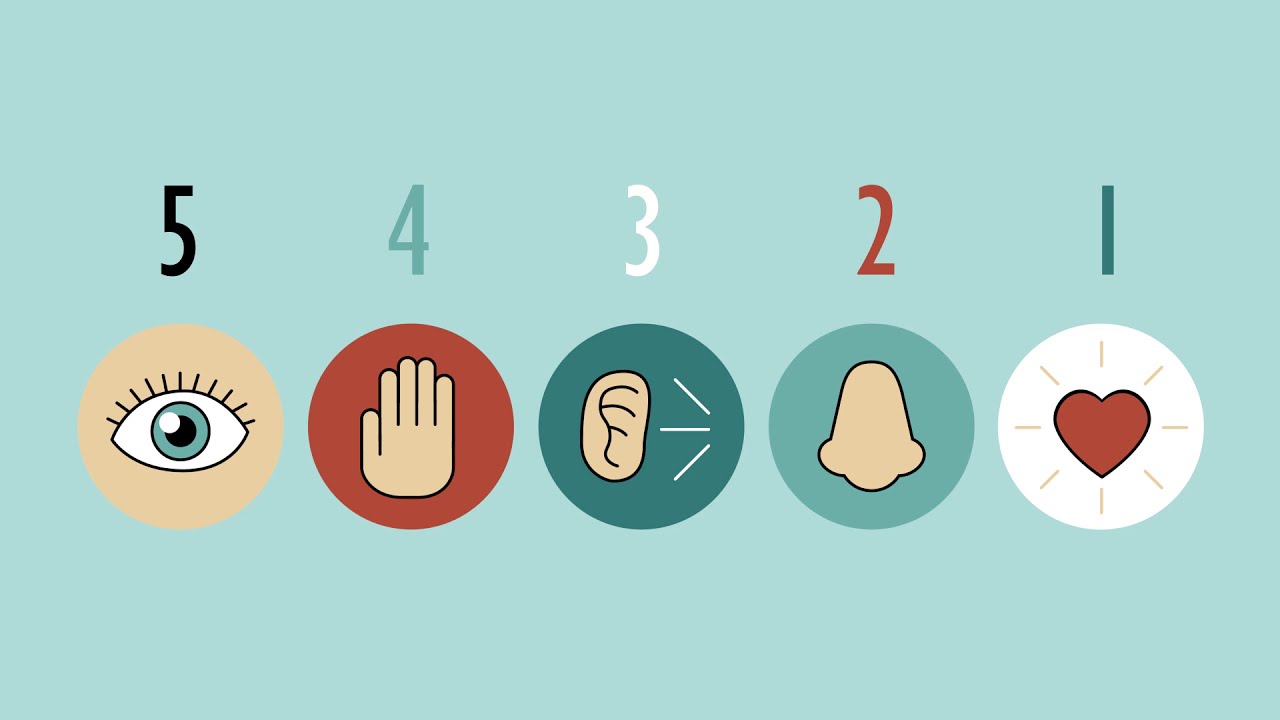
5-4-3-2-1 Grounding Exercise for Anxiety Relief
This video introduces the 5-4-3-2-1 grounding exercise, a practical technique to help autistic professionals manage anxiety and stay focused in any environment. By engaging the senses, this method promotes mindfulness and calmness, making it a valuable tool for reducing stress and enhancing concentration in corporate settings.
https://www.youtube.com/watch?v=30VMIEmA114&ab_channel=ThePartnershipInEducation

Emotional Regulation for Autistic Professionals
Explore strategies for managing emotional regulation challenges faced by autistic adults in corporate settings. This guide includes visual aids and practical tips, such as creating a sensory toolkit, to help manage stress, anxiety, and sensory overload, enhancing workplace performance and well-being.
https://www.simplypsychology.org/emotional-regulation-strategies-for-autistic-adults.html

Positive Reframing for Autistic Professionals
Learn how positive reframing can transform negative thoughts into constructive perspectives, enhancing mental well-being and resilience for autistic professionals in corporate settings. This resource provides practical examples and applications to help navigate workplace challenges.
https://psychologyfanatic.com/positive-reframing/